




There is no single answer. Variant handling and omnichannel stock are the core needs. We compare Zoho, Odoo, ERPNext, Dynamics 365 and custom options against your processes.
 Fashion Retail
ERP and Software Solutions for Fashion Retail in Bahrain
Fashion retailers manage size and colour variants, seasons, stores and online sales.




 Fashion Retail

Talk to Us About Fashion Retail
Fashion retailers manage size and colour variants, seasons, stores and online sales.
On the call we can cover
 Variants and seasons
- Store and online stock
- Replenishment and transfers
- Markdowns and promotions
 Prefer to chat? Message us on WhatsApp or email contact@erpbahrain.com.

Book a Free Consultation
Leave your details and we will arrange a call.
Platforms we implement



IndustryFashion Retail
Key recordsVariants and collections, Stores and channels
Typical integrationsE-commerce platforms, POS hardware
Selection focusVariant handling and omnichannel stock are the core needs.
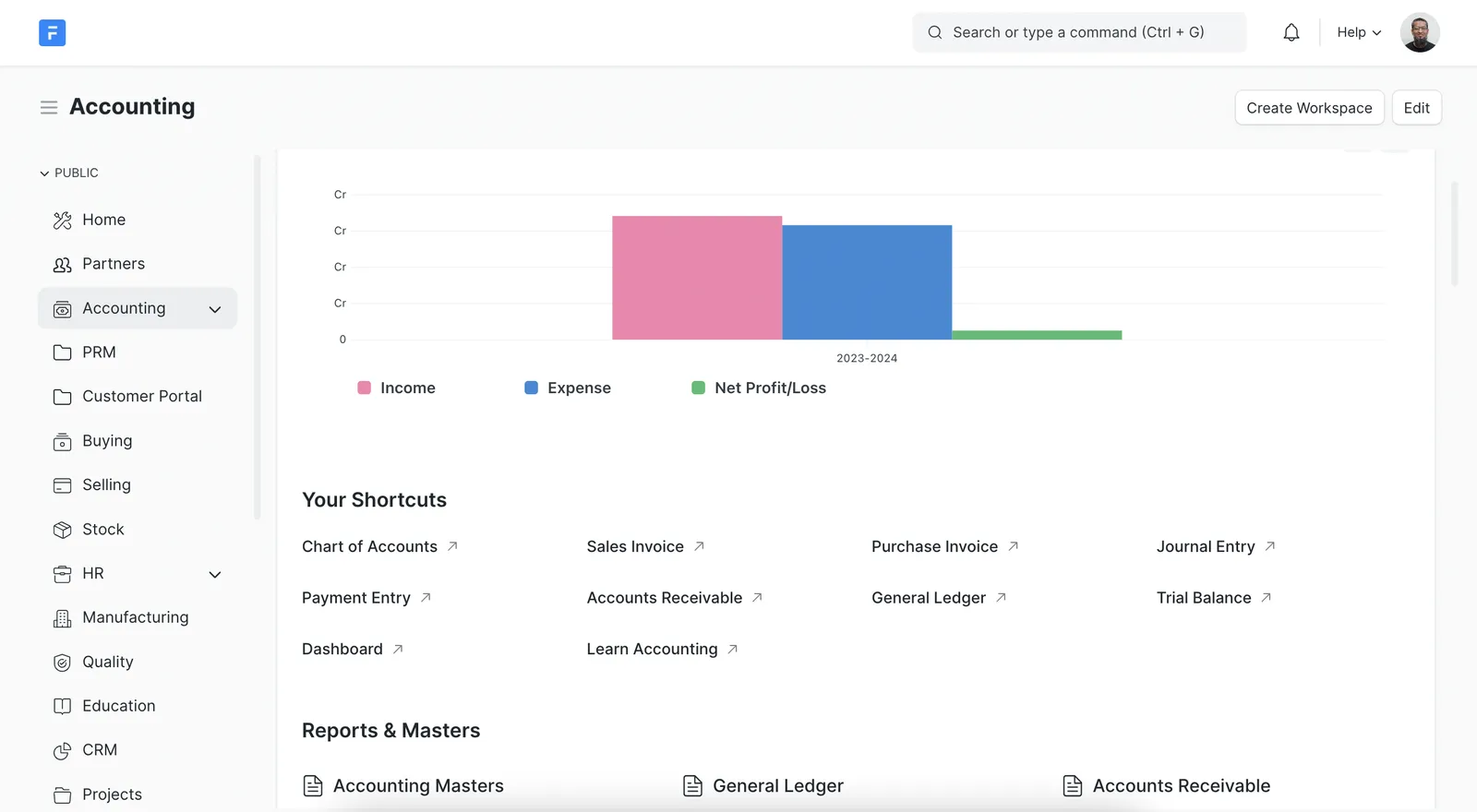
Choosing software for fashion retail? Platforms we implement include Zoho, Odoo, ERPNext, Microsoft Dynamics 365 or custom ERP. Read Zoho vs Odoo or the ERP implementation cost guide before you shortlist, and see how we support businesses in Adliya and Hoora.

Core Processes
How Fashion Retail Run on ERP
Fashion retailers manage size and colour variants, seasons, stores and online sales.

Variants and seasons
Manage sizes, colours and season collections

Store and online stock
Show one stock position across channels

Replenishment and transfers
Move stock between stores

Markdowns and promotions
Plan markdowns and offers

Pain Points
Common Challenges
Another process to cover: customer and loyalty. Track purchase history and loyalty.
Variant handling and omnichannel stock are the core needs.
- Variant complexity
- Stock split across channels
- Slow markdown decisions
Go Deeper
Fashion Retail: Detailed Guides
Data and Systems
What Fashion Retail Need to Plan For
Variant handling and omnichannel stock are the core needs.
Records to prepare
- Variants and collections
- Stores and channels
- Customers and loyalty
- Suppliers
Systems to connect
- E-commerce platforms
- POS hardware
- Payment providers
- Accounting
Problems we aim to remove
- Variant complexity
- Stock split across channels
- Slow markdown decisions
Vendor Fit
How the Main Platforms Compare
Qualitative only. Fit depends on your processes, users and integrations.
| Platform | Often strong when | Check carefully |
|---|---|---|
| Zoho | Applications share data, so you can start with one team and add others | Deep manufacturing or project-costing needs may require extra apps or custom work |
| Odoo | Broad app catalogue that shares one database | Heavy customisation makes upgrades harder, so scope it carefully |
| ERPNext | No per-user licence fee for the software itself | Hosting, upgrades and support need a clear owner |
| Microsoft Dynamics 365 | Close integration with Microsoft 365, Power BI and the Power Platform | Licensing is detailed and should be reviewed against your roles |
| Custom ERP | Matches unusual processes exactly | Higher upfront effort and long-term maintenance responsibility |
Our Approach
How an Engagement Works
The same five stages apply to every platform, so you always know what comes next.
| Stage | What happens |
|---|---|
| 1. Discover | Workshops and process mapping with the people who do the work. We record what happens today, where it breaks and what must not change. |
| 2. Scope and propose | A written scope with modules, integrations, data to migrate, roles, assumptions and a phased plan, so cost and effort are visible before you commit. |
| 3. Configure and build | Set-up, workflows, approvals, reports and integrations built in a test environment and reviewed with your team in short cycles. |
| 4. Test and train | Scenario testing with your own data, role-based training and a go-live checklist agreed with the business owner. |
| 5. Go live and support | Cut-over planning, hyper-care after launch and an ongoing support arrangement for changes, users and reports. |
Results
How Success Is Measured
We agree measures with you at scoping and compare against your own baseline. We do not publish invented benchmarks.
| Measure | How to read it |
|---|---|
| Adoption | Share of target users working in the system weekly, compared with your starting point. |
| Cycle time | Time from enquiry to quote, order to invoice, or request to approval, measured before and after. |
| Data quality | Duplicate, missing or mismatched records found in review samples. |
| Reporting effort | Hours spent producing month-end and management reports. |
| Control | Approvals, audit trail and access reviews that are in place and being used. |
Cost
What Drives the Cost
A realistic budget covers more than licences. These are the components we scope with you.
| Cost component | What drives it | How to keep it in check |
|---|---|---|
| Licences or subscription | Number and type of users, applications or editions, and contract term | Match user types to real roles; start with the modules you need now |
| Implementation and configuration | Number of processes, approvals, reports and companies or branches | Fix scope in phases; reuse standard workflows before customising |
| Data migration | Volume and quality of customers, items, accounts and open balances | Clean data before loading; agree what history is truly needed |
| Integrations | Number of systems, API quality and real-time versus batch needs | Integrate the few that remove manual work first |
| Customisation | How far your process differs from the standard product | Challenge each change request; keep upgrades in mind |
| Training and change management | Users, roles and languages, plus the time your team can give | Train by role; appoint internal champions |
| Support and hosting | Service levels, hosting model, backups and who owns upgrades | Choose support hours that match trading hours |
We do not publish fixed prices because cost depends on scope. We provide a written estimate after a short discovery call.
Keep Exploring
Related Pages by Topic
ERP and CRM Platforms
Compare and Budget
Other Industries
- ERP and Software Solutions for Facility Management in Bahrain
- ERP and Software Solutions for Manufacturing in Bahrain
- ERP and Software Solutions for Food Manufacturing in Bahrain
- ERP and Software Solutions for Metal Fabrication in Bahrain
- ERP and Software Solutions for Plastics Manufacturing in Bahrain
- ERP and Software Solutions for Packaging Manufacturing in Bahrain
Support Near You
Compliance Topics
Guides and Tools
Guides and Articles
FAQ
Fashion Retail Questions
-
Which ERP suits fashion retail in Bahrain?
-
What data do fashion retail need to migrate?
Typically variants and collections, stores and channels, customers and loyalty and suppliers. We clean and map them before loading.
-
What should we integrate first?
Usually e-commerce platforms and pos hardware, then others in later phases.
-
What are the main ERP processes for fashion retail in Bahrain?
Variants and seasons; Store and online stock; Replenishment and transfers; Markdowns and promotions; Customer and loyalty.
-
What problems does ERP solve for fashion retail?
Variant complexity; Stock split across channels; Slow markdown decisions.
-
Which records should fashion retail prepare before an ERP project?
Variants and collections; Stores and channels; Customers and loyalty; Suppliers.
-
Which systems do fashion retail usually integrate?
E-commerce platforms; POS hardware; Payment providers; Accounting.
-
What matters most when choosing ERP for fashion retail?
Variant handling and omnichannel stock are the core needs.


Related Pages
Project Proposal
Ready to Start With your project?
Share a few details about your business and we will come back with a practical proposal.
- Platform, scope and timeline recommendation
- Clear next steps and responsibilities
- No obligation

Request a Project Proposal
Tell us about your business and we will come back with a practical proposal.
Let’s Build a Smarter Business Together
Tell us about your processes and goals, and we will recommend the right ERP, CRM and automation approach.